The CDA has officially made rainwater harvesting compulsory for all buildings in Islamabad. Learn about the 6-month deadline, implementation rules, and penalties in this complete 2026 guide.
CDA Makes Rainwater Harvesting Compulsory in Islamabad: The Complete 2026 Policy Guide
The Capital Development Authority (CDA) has officially rolled out a landmark directive to combat the escalating water crisis in Pakistan’s capital. As of mid-March 2026, the installation of rooftop rainwater harvesting systems is legally mandatory for all properties across Islamabad.
With groundwater levels depleting at an alarming rate, the CDA has amended its Building By-laws (Clause No. 117 & 118, Part-II) to ensure that every drop of rainwater is utilized to recharge the city’s aquifers. For property owners, builders, and residents, understanding the nuances of this policy is no longer optional—it is a strict regulatory requirement.
Here is a comprehensive breakdown of the background, objectives, implementation strategies, and the overall impact of this crucial decision.

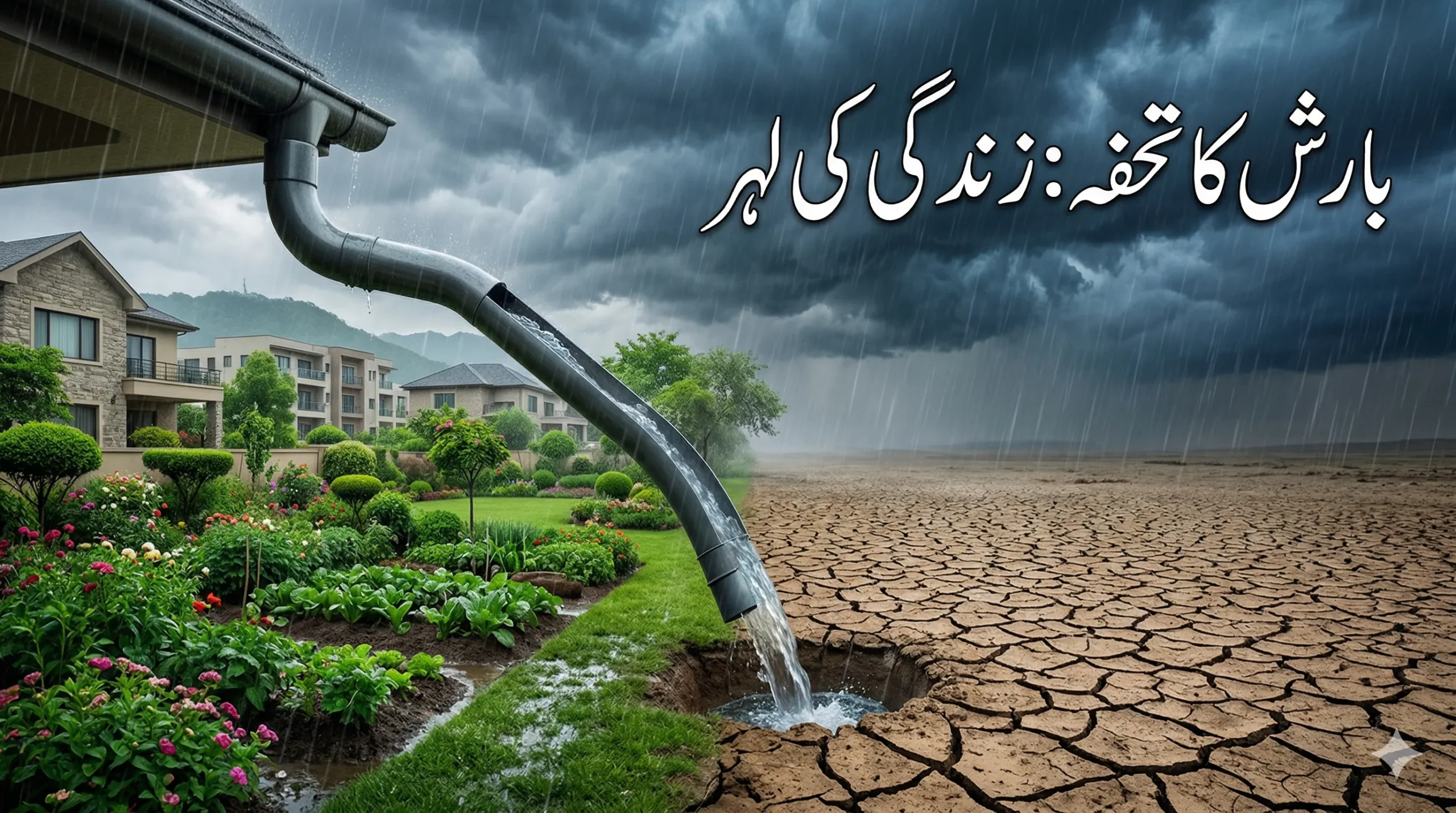
Background: Why Did the CDA Take This Step?
Islamabad’s water security has been deteriorating for decades. In 1960, the underground water table in the capital stood at a healthy 10 meters. Today, driven by rapid population growth, excessive boring, and massive urban expansion, the water table has plummeted to over 120 meters deep.
Currently, the capital requires approximately 120 million gallons of water daily, but the CDA is only able to supply roughly half of that amount. Because traditional water sources and dams are struggling to keep up with the demand, millions of gallons of usable rainwater simply wash away into drains during the monsoon season. This new directive shifts the city’s strategy from merely supplying water to actively conserving and harvesting it.
Core Objectives of the Directive
- Recharge the Aquifer: By channeling rooftop runoff back into the ground, the city aims to artificially replenish the rapidly depleting water table.
- Prevent Urban Flooding: Capturing rainwater at the source reduces the immense pressure on the city’s drainage infrastructure during heavy downpours.
- Promote Sustainable Living: The policy forces a shift in urban development, making water conservation a foundational element of Islamabad’s real estate and infrastructure.
اسلام آباد میں رین واٹر ہارویسٹنگ (بارش کا پانی جمع کرنے کا نظام) لازمی قرار

کیپٹل ڈیولپمنٹ اتھارٹی (CDA) نے اسلام آباد میں پانی کی بڑھتی ہوئی قلت اور زیرِ زمین پانی کی گرتی ہوئی سطح پر قابو پانے کے لیے ایک اہم فیصلہ کیا ہے۔ نئی پالیسی کے تحت، شہر کی تمام رہائشی، تجارتی اور سرکاری عمارتوں میں بارش کا پانی جمع کرنے کا نظام (Rainwater Harvesting System) لگانا قانوناً لازمی قرار دے دیا گیا ہے۔
اس پالیسی کے اہم نکات درج ذیل ہیں:

- مقصد: بارش کے پانی کو ضائع ہونے سے بچا کر اسے زمین میں واپس جذب کرنا (Recharge) تاکہ زیرِ زمین پانی کی سطح بہتر ہو سکے۔
- 6 ماہ کی مہلت: پہلے سے تعمیر شدہ عمارتوں کے مالکان کو یہ نظام (جیسے کہ واٹر پٹ یا ریورس بورنگ) نصب کرنے کے لیے چھ ماہ کا وقت دیا گیا ہے۔
- نئی تعمیرات کے لیے شرط: اب کسی بھی نئی عمارت کا نقشہ یا لے آؤٹ اس نظام کے بغیر منظور نہیں کیا جائے گا۔
- سخت کارروائی اور جرمانے: 6 ماہ کی مہلت ختم ہونے کے بعد، سی ڈی اے کی ٹیمیں گھر گھر جا کر معائنہ کریں گی۔ قانون پر عمل نہ کرنے والے مالکان کے خلاف سخت قانونی کارروائی کی جائے گی اور بھاری جرمانے عائد کیے جائیں گے۔
یہ اقدام اسلام آباد کو مستقبل میں پانی کے شدید بحران سے بچانے اور شہر کی پائیدار ترقی کے لیے اٹھایا گیا ہے
Key Rules and Implementation Guidelines
The CDA’s public notice outlines strict protocols that apply across the board, leaving zero room for exemptions.
1. Universal Application
This directive is not limited to just residential houses. It applies comprehensively to commercial plazas, business centers, farmhouses, government buildings, playgrounds, and even properties on the rural edges of the capital.
2. The Six-Month Deadline for Existing Properties
If you already own a constructed property in Islamabad, the clock is ticking. The CDA has granted a strict six-month window (expiring in September 2026) for all residents and building owners to retrofit their properties with a rainwater harvesting system. The authority has specified that this can be done through either a reverse boring mechanism or a standard water pit.
3. Mandatory for All New Constructions
For builders and developers, the rules are immediate. No new building plan or layout will be approved by the CDA unless a proper rainwater harvesting system is integrated into the architectural design. It is now a non-negotiable prerequisite for obtaining a No Objection Certificate (NOC).
Penalties and Strict Enforcement Mechanisms
The CDA has made it clear that this policy will not just exist on paper. Once the six-month grace period concludes, the authority will roll out an aggressive enforcement campaign:
- Door-to-Door Inspections: Dedicated CDA inspection teams will conduct physical, house-to-house verifications across all sectors of Islamabad to check for functional harvesting setups.
- Heavy Fines and Legal Action: Property owners found in non-compliance will face immediate and severe penalties. Under the relevant sections of the Building By-laws, defaulters will be subjected to heavy financial fines, and in extreme cases of defiance, potential imprisonment.
The Long-Term Impact on Islamabad
From a city-planning perspective, the widespread adoption of reverse boring and soak pits will transform Islamabad’s water landscape. By capturing an estimated millions of liters of water annually that would otherwise be lost to surface runoff, the city can stabilize its groundwater reserves.
For property owners, while there is an upfront cost to install these systems, the long-term benefit includes a more reliable underground water supply and compliance with future-proof, eco-friendly building standards.
Estimated Cost For Residential Rainwater Recharge Pit
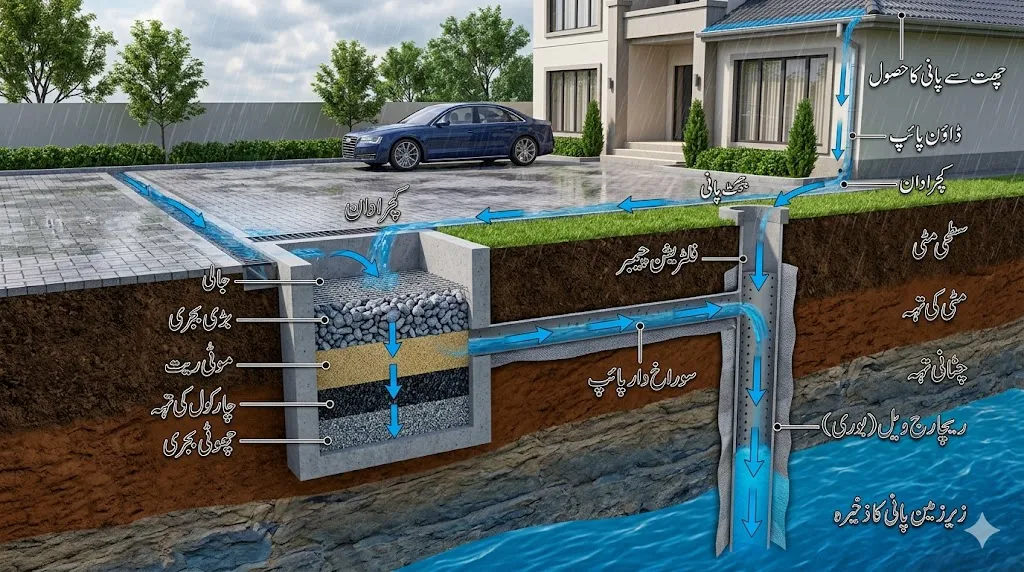
Building a residential rainwater recharge pit (often called a soak pit or reverse bore) is a practical, gravity-fed system. Because flat roofs are common in Islamabad, you likely already have a natural slope directing water to drainage spouts. The goal is to catch that water, filter out the debris, and pipe it deep underground.
Here is a complete checklist of the physical components you will need, followed by an estimated 2026 cost breakdown for a standard 5 to 10 Marla house.
1. Roof Catchment & Conveyance (Moving the water)
- PVC/UPVC Downpipes: Standard 3-inch or 4-inch diameter pipes to channel rainwater from the roof down to the ground level.
- Pipe Fittings: Elbow joints, T-joints, clamps, and UPVC solvent cement to secure the pipework to your exterior walls.
- Roof Gratings: Dome-shaped mesh caps placed over the roof drain holes to block large leaves, plastic wrappers, and bird feathers from entering the pipes.
2. Pre-Filtration (The First Line of Defense)
- First-Flush Diverter: This is a crucial, simple PVC T-junction setup with an end cap or valve. It captures the very first rain of the season (which washes away accumulated dust and bird droppings from your roof) and diverts it away from your clean pit.
- Desilting Chamber (Optional but recommended): A small, 1×1 foot brick chamber just before the main pit where heavy mud and silt can settle at the bottom before the water flows into the main filter.
3. The Filtration Pit (Cleaning the water)
- Excavated Pit: A dug chamber (typically ranging from 3x3x3 feet to 5x5x5 feet) lined with brick masonry or precast concrete rings to hold the filter media.
- Filter Media Layers: * Base Layer: Large gravel or boulders.
- Middle Layer: Medium-sized aggregates/crush.
- Top Layer: Coarse river sand.
- Activated Charcoal (Optional): A thin layer added to absorb odors and finer chemical impurities.
- Heavy-Duty Manhole Cover: A perforated or solid RCC (Reinforced Cement Concrete) cover to secure the pit, allowing for easy maintenance while preventing accidents.
4. The Recharge Shaft / Reverse Bore (Replenishing the aquifer)
- Borehole: A shaft drilled directly inside or adjacent to the filtration pit. In Islamabad, depending on the sector, this usually needs to go 80 to 150 feet deep to bypass rocky layers and reach permeable soil strata.
- Slotted PVC Casing Pipe: A 4-inch to 6-inch pipe inserted into the borehole. It has tiny horizontal slits cut into it, allowing the filtered water to seep outwards into the ground.
- Nylon Mesh Wrapper: Wrapped tightly around the slotted casing pipe to prevent fine underground sand from flowing back in and clogging the bore.
Estimated 2026 Costs (Islamabad)
Disclaimer: Material rates (especially PVC and cement) and labor costs fluctuate. The depth of the water table in your specific CDA sector heavily dictates the boring cost. These are rough estimates for a standard system without an expensive above-ground storage tank.
| Component / Service | Estimated Cost Range (PKR) |
| Piping & Plumbing Materials (UPVC pipes, fittings, diverter) | 15,000 – 30,000 |
| Filtration Pit Construction (Excavation, brickwork, RCC cover) | 25,000 – 45,000 |
| Filter Media (Sand, gravel, crush, charcoal) | 5,000 – 10,000 |
| Reverse Boring & Slotted Pipe (80 – 150 feet depth) | 60,000 – 120,000 |
| Labor & Plumber Charges | 20,000 – 35,000 |
| Total Estimated Cost | 125,000 – 240,000 |